The human face is the hardest and most rewarding subject in all of art. Artists have devoted entire careers to portraiture and it humbles everyone who attempts it. This unit moves from the mechanics of facial proportion to the deeply personal territory of the self-portrait, then into the intersection of faith and image-making in the Protestant tradition — where the Word and artistic image meet.
Unit Goals
Understand and apply the classical rules of facial proportion. Complete a self-portrait that honestly grapples with likeness. Create one finished piece integrating hand-lettered Scripture and figure illustration in the Protestant tradition.
Projects
Facial Proportions Studies
Graphite pencil · Drawing paper
Week 15–16
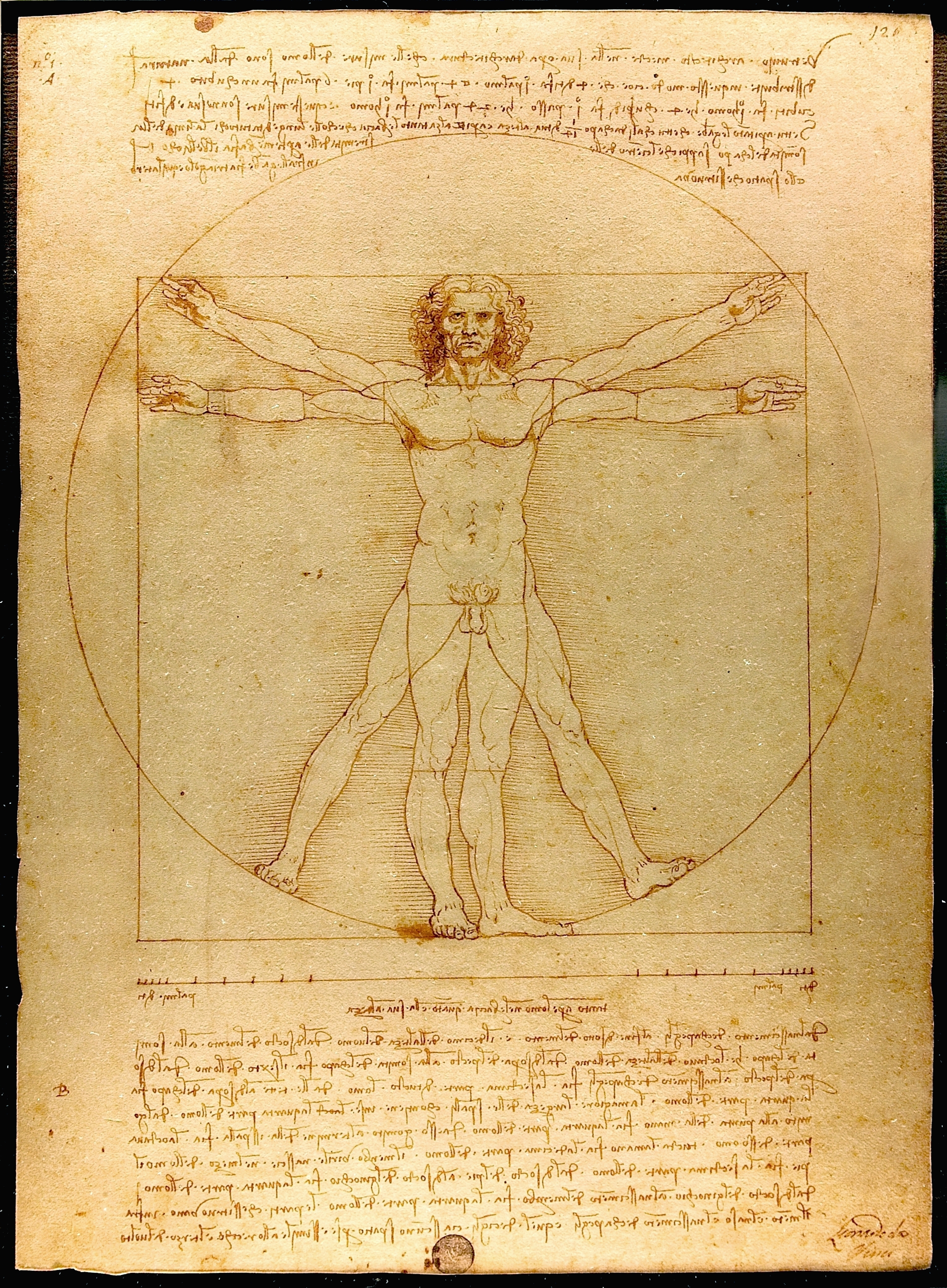
Before drawing any face, you need to understand how adult faces are actually proportioned. The classical guidelines below are what artists have used for centuries — a framework that eliminates the most common errors, like eyes placed too high on the head, before you ever sit down to draw from life.
The self-portrait is one of the oldest exercises in art — Dürer, Rembrandt, Van Gogh, and Kahlo all returned to it throughout their careers. It is always available, free, and patient as a subject. The goal is not flattery but honest, careful looking. Use a mirror, a photograph, or both. This project is meant to take the full two weeks.
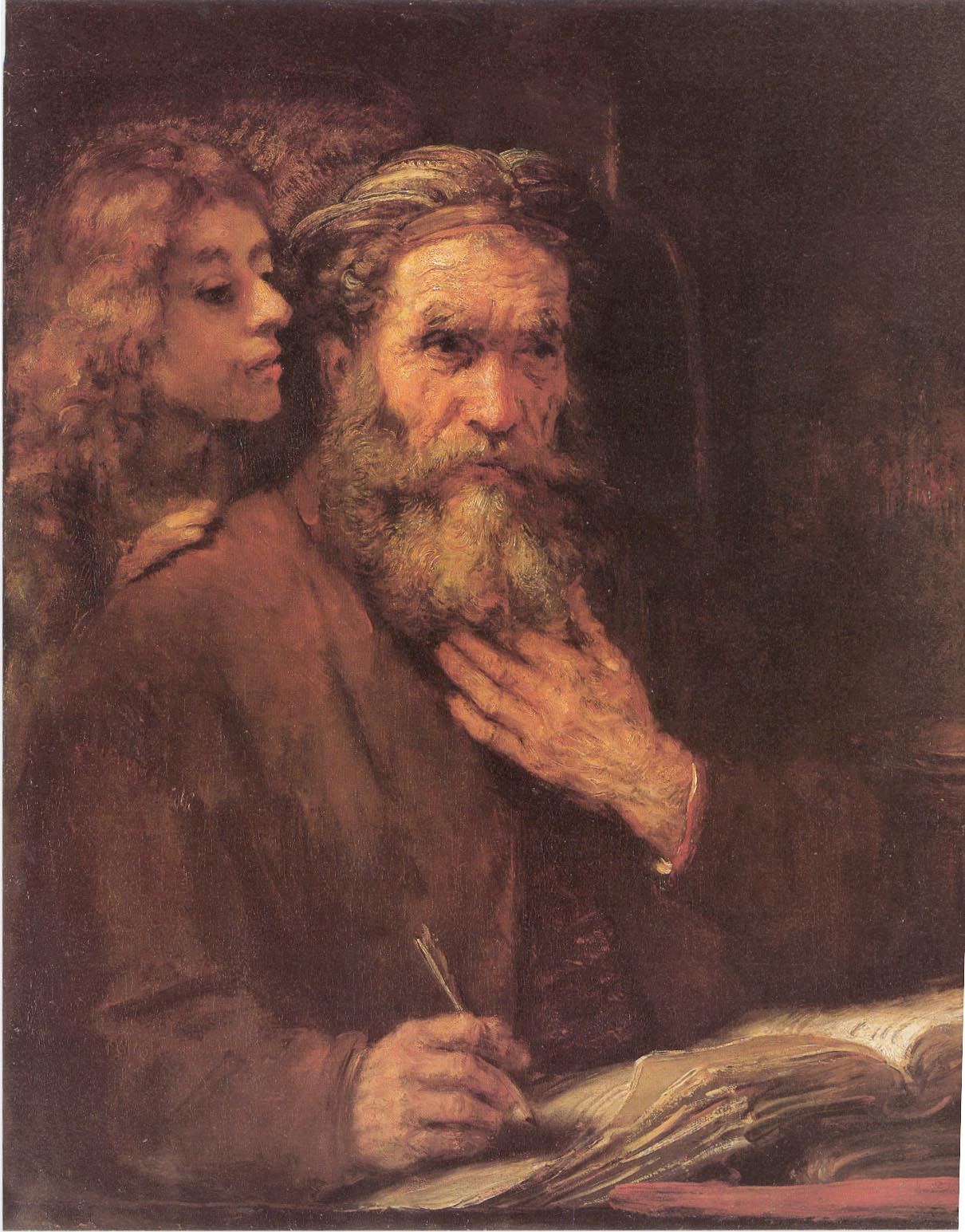
Rooted in the Protestant conviction that the Word of God is central to faith and life, this project combines a portrait sketch of a biblical figure with hand-lettered Scripture woven into the composition itself. The lettering is not a caption added afterward — it is a visual element of equal weight to the figure. Look at illustrators like He Qi or Daniel Bonnell for inspiration before beginning.