Animals have appeared in art since the caves of Lascaux — 40,000 years of humans trying to capture the life, movement, and spirit of creatures around them. This unit challenges you to render two of the trickiest textures in nature (fur and feathers) and then deliberately abandon precision for the energy of gestural painting. Both skills belong in every serious artist's toolkit.
Unit Goals
Develop layered colored pencil technique on toned paper. Learn to render two distinct animal textures convincingly. Complete one substantial wildlife portrait and experience expressive gestural painting for the first time.
Projects
Fur & Feather Texture Studies
Colored pencil · Toned paper
Week 10–11
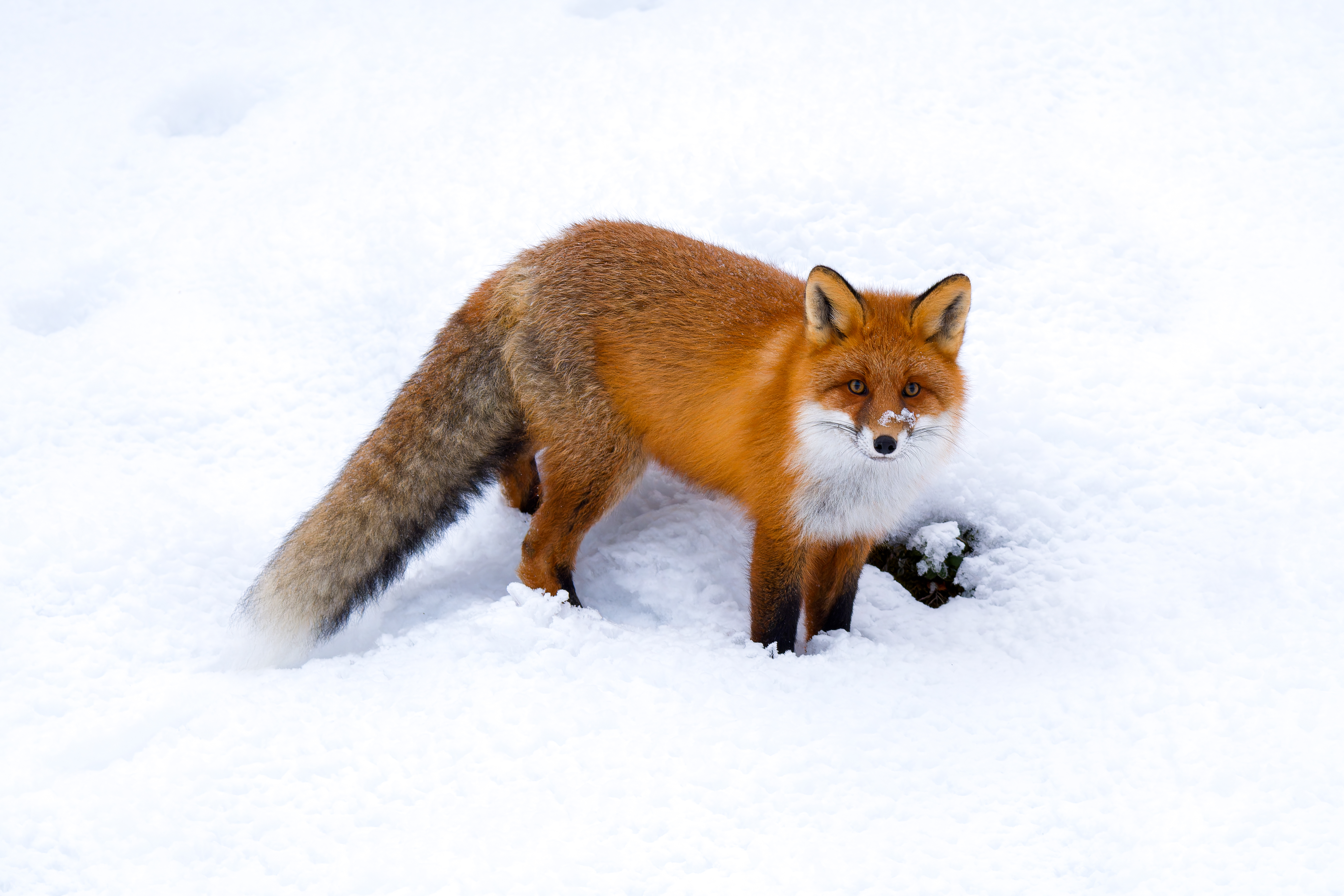
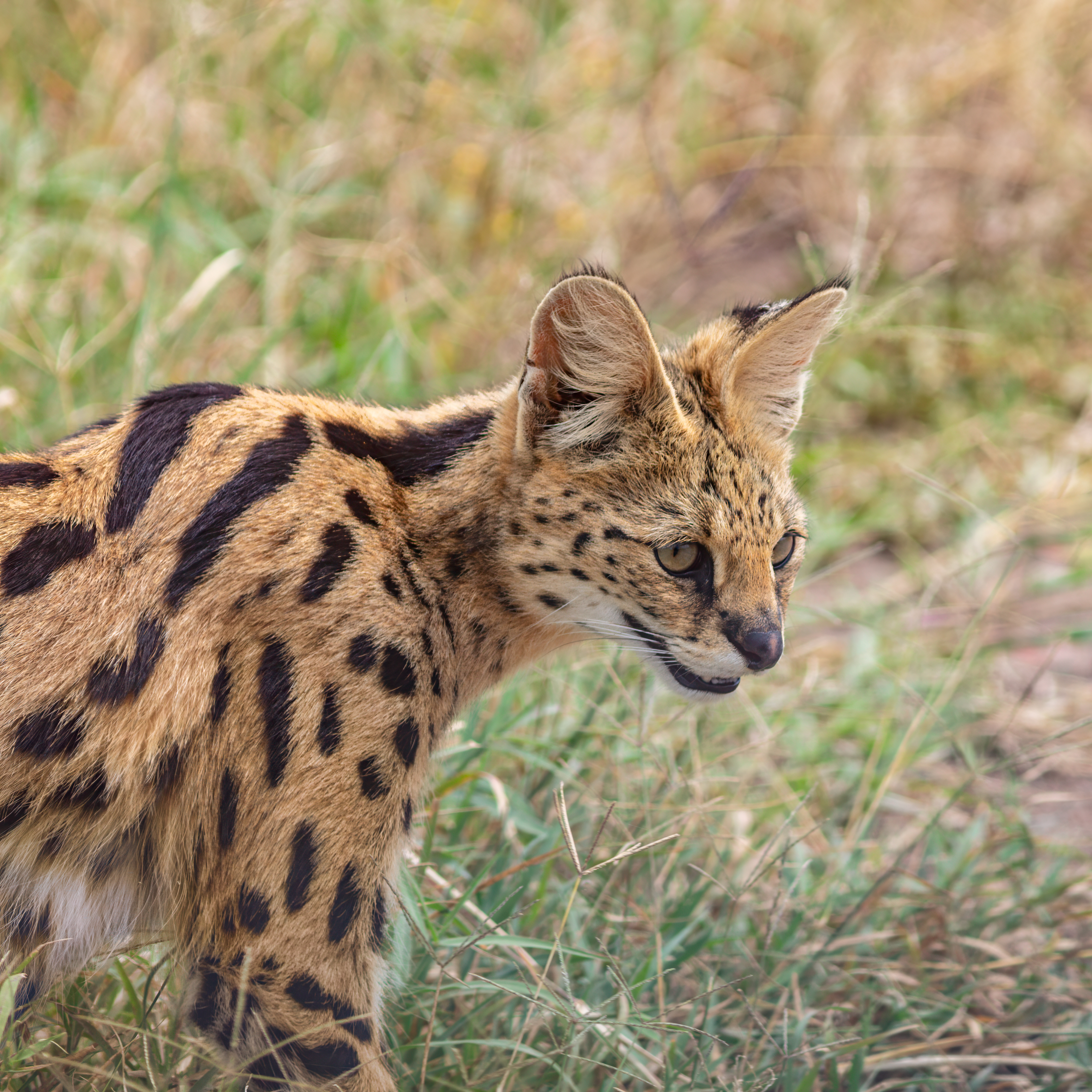
Before a full portrait, do two focused texture studies — one furry mammal and one bird with distinct feathers. These are not full pictures; they're close-up patches of texture, each about 4×4 inches. Use zoomed-in photo references — the more close-up the photo, the better. You need to see individual hairs and feather barbs clearly.
Your most ambitious colored pencil project yet — a full portrait of a single animal of your choosing on toned paper, showing the face and upper body. Choose an animal you genuinely find beautiful or fascinating. The eyes are everything: they are where the viewer makes a connection with the living creature. Get the eyes right, and the rest will follow.
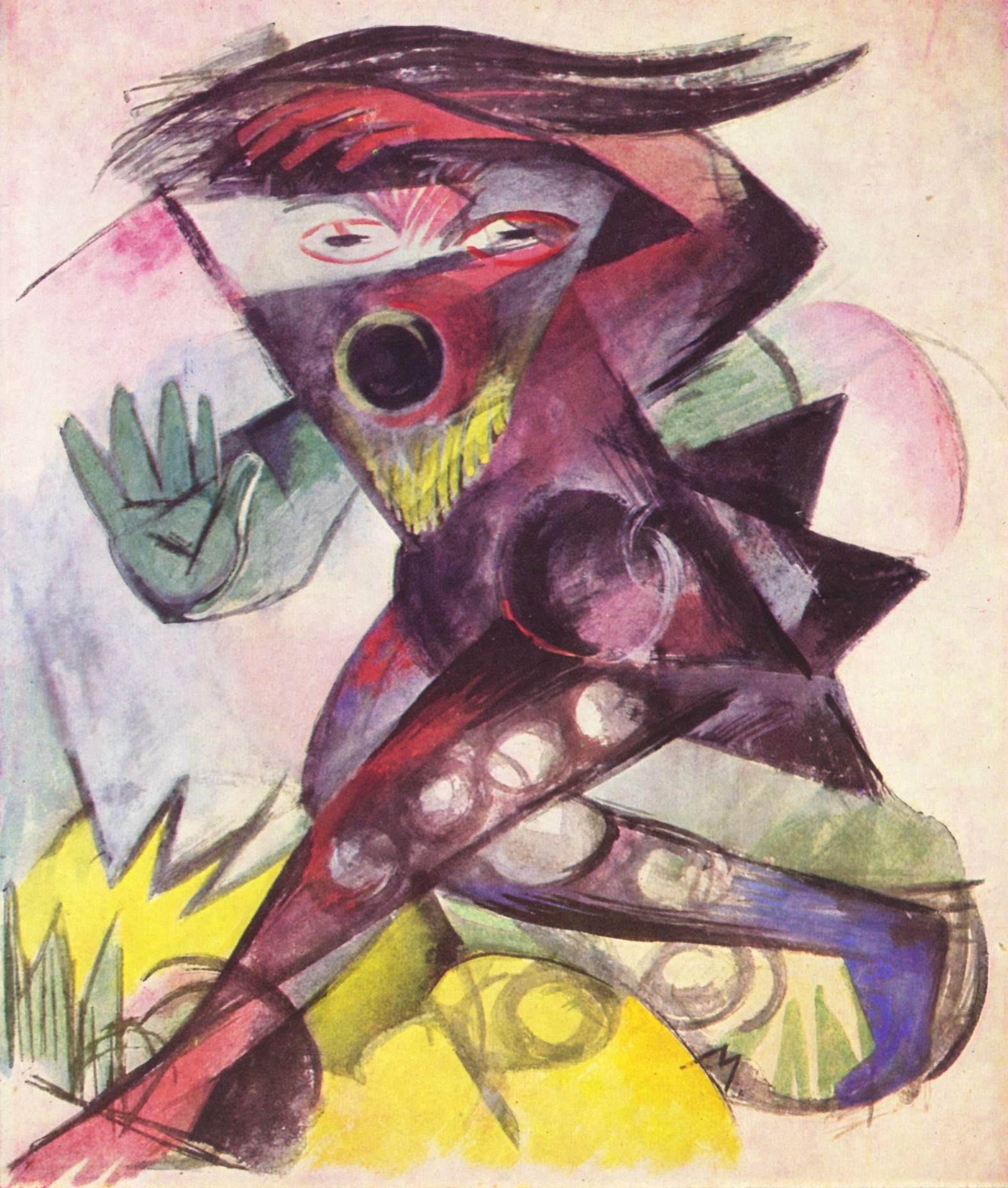
After two highly detailed projects, this one demands the opposite: paint fast, loose, and bold within a strict time limit. Choose an animal mid-motion — a horse galloping, a bird in flight, a dog running — and paint it with energy and speed. No fine detail allowed. The goal is capturing the feeling of movement, not the facts of anatomy.