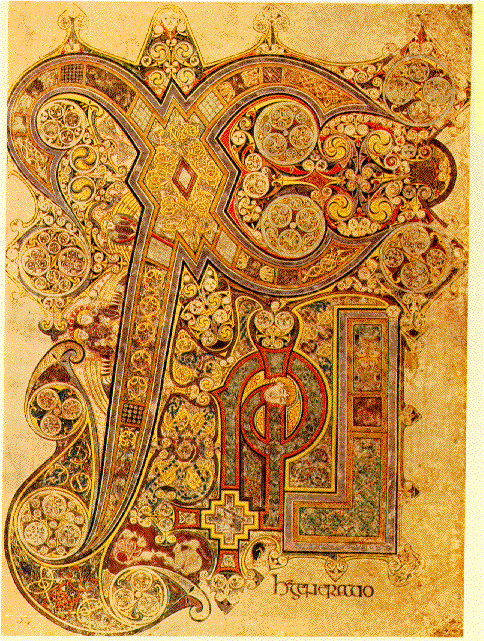
For over a thousand years, medieval monks devoted their lives to creating manuscripts of breathtaking beauty — not as art for its own sake, but as acts of worship. The Book of Kells, created around 800 AD by Celtic monks on the island of Iona, is an illuminated Gospel book so densely decorated that a 13th-century scholar described it as 'the work of angels.' This unit draws from that tradition, using ink, watercolor, and pattern to explore how beauty can point toward the sacred.
Unit Goals
Gain control of fine-tip Micron pens for decorative work. Understand the role of pattern, symbol, and gold in illuminated art. Complete three finished pieces suitable for framing.
Projects
Illuminated Letter
Pen & ink · Colored pencil · Gold gel pen
Week 6–7
Choose a single letter — the first letter of your name, a favorite verse's opening word, or the Chi-Rho (☧) — and transform it into an ornate decorated capital filled with knotwork, vines, animals, or abstract pattern, just as the monks of Kells did. Study real pages at Trinity College Dublin's free digital viewer (digitalcollections.tcd.ie) before beginning.
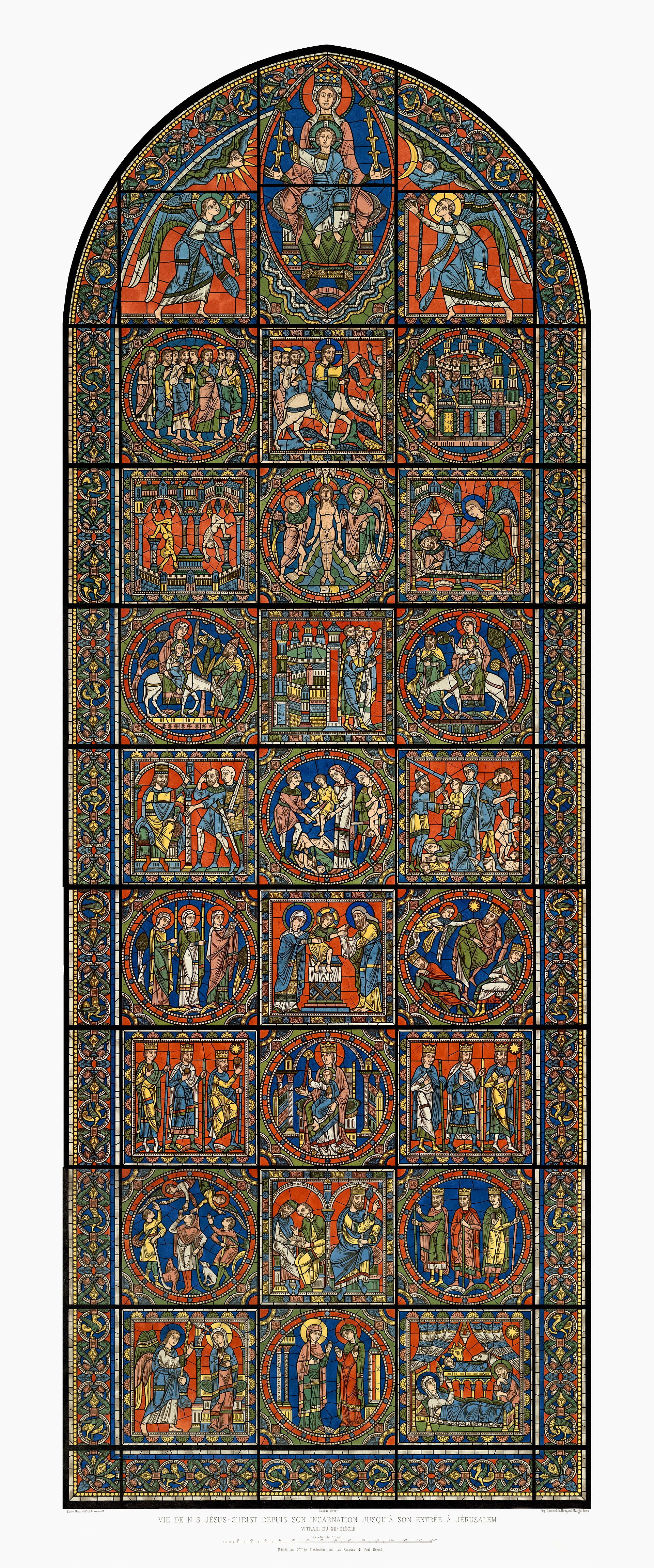
Medieval stained glass was Scripture told through light and color — bold black lead lines holding luminous glass panes in place. You'll simulate this with thick black marker lines and luminous watercolor washes. Choose a Christian theme: the cross, a dove, a fish, the nativity, a lamb, or an abstract symbol of faith.
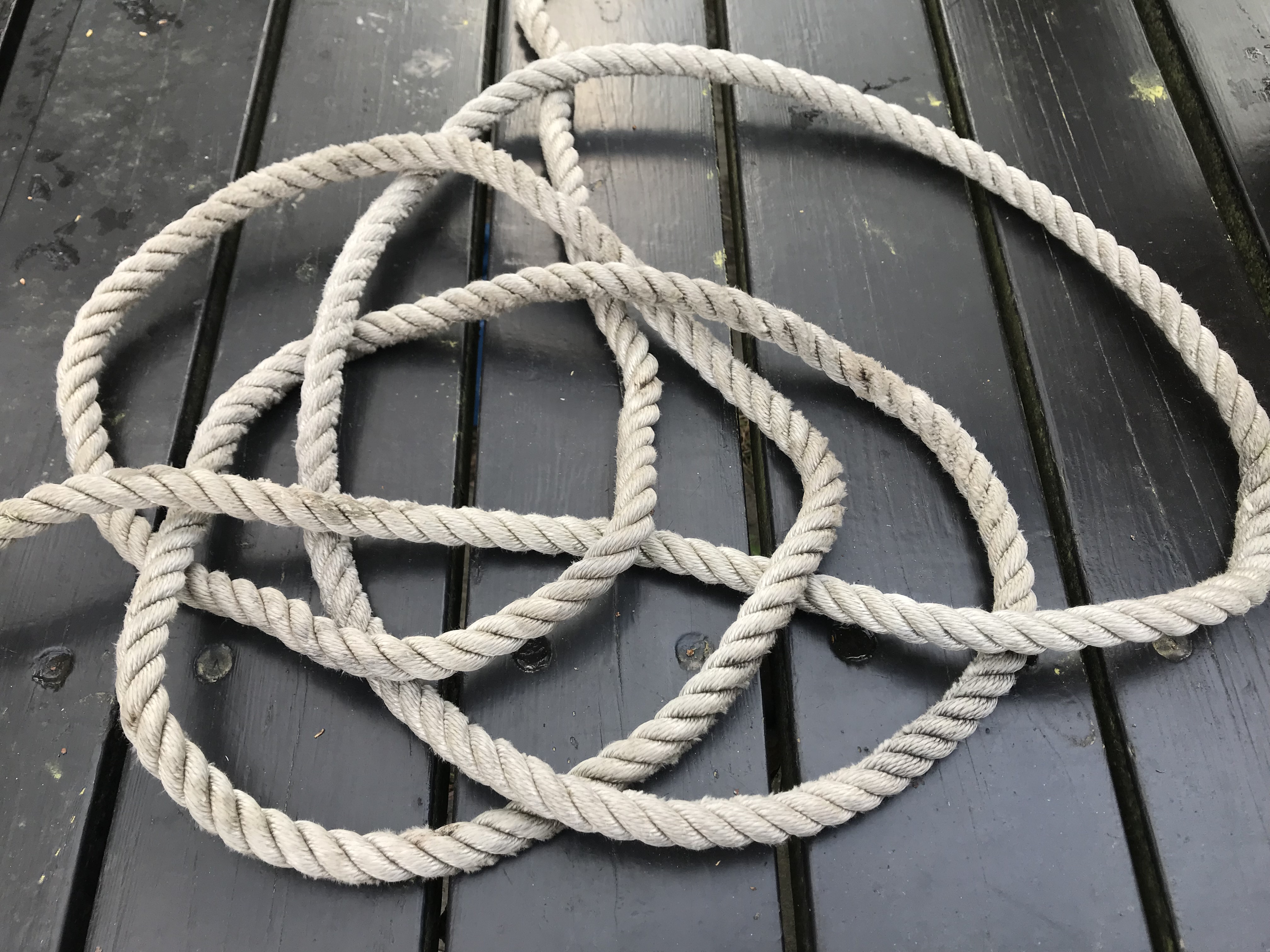
Celtic interlace is built on beautiful mathematical logic — a single continuous line that weaves over and under itself with no beginning and no end. Early Christians saw in this an image of eternity. You will learn the step-by-step grid method, which requires patience but produces something genuinely extraordinary that you constructed yourself.