Abstract art asks a different question than representational art — not 'what does it look like?' but 'what does it feel like?' Color, shape, line, and texture carry emotional weight that can be just as powerful as any recognizable image. You'll learn color theory systematically, then apply it in two expressive projects — including one rooted in the Psalms, the emotional heartbeat of all Scripture.
Unit Goals
Understand and apply color theory: complementary, analogous, warm/cool, tints and shades. Mix a full color range from three primaries. Create two abstract paintings that communicate emotion through color and composition alone.
Projects
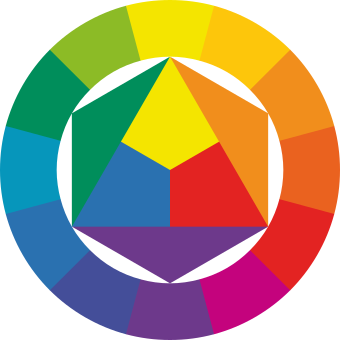
Color Theory Wheel & Experiments
Acrylic paint · Paper
Week 24
Color theory is the grammar of painting — it explains why some combinations sing and others clash, why some paintings feel warm and energetic while others feel cool and quiet. You will mix a complete color wheel from only three colors, then explore the key relationships every painter uses: complementary pairs, analogous families, warm vs. cool, and value through tinting and shading.
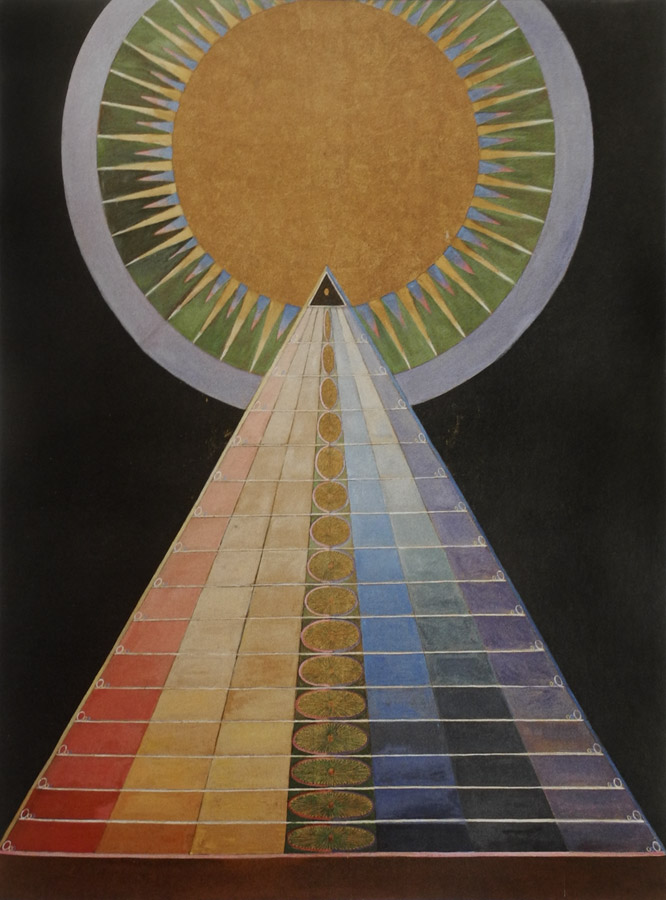
The Psalms are the most emotionally wide-ranging literature in Scripture — they hold lament, joy, grief, confidence, despair, and transcendent praise, sometimes within a single poem. Choose one psalm whose emotional arc speaks to you and create an abstract painting expressing that arc through only color, shape, and texture. No recognizable imagery of any kind is permitted.
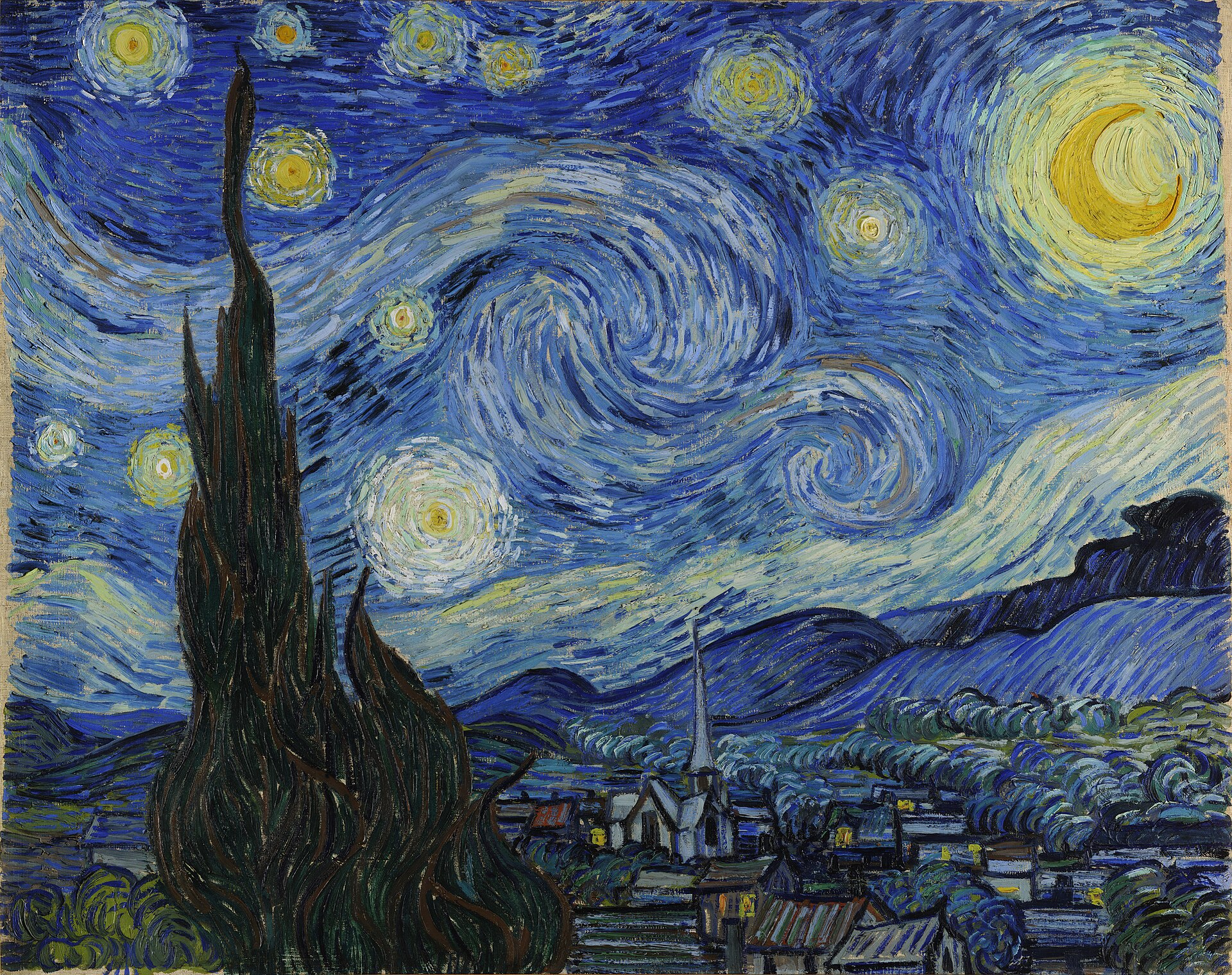
This project is a deliberate laboratory session — try every textural technique you can in one painting: impasto (thick sculptural paint), palette knife work, torn paper collage, tissue paper embedded in paint, and unconventional mark-making tools. The goal is a surface that is fascinating to explore both from two inches away and from across the room.