Moving from a flat surface into three dimensions is one of the most exciting and disorienting leaps in an artist's development. Suddenly you must think about a form from every angle — there is no single 'right view.' We work with air-dry clay, which requires no kiln, is affordable, and is surprisingly expressive. You'll move from low relief (almost flat) to fully three-dimensional sculpture built on an armature.
Unit Goals
Understand the difference between relief sculpture and sculpture in the round. Build a stable 3D form using a foil armature. Successfully paint and finish clay work. Think spatially about form from multiple viewpoints simultaneously.
Projects
Relief Tile — Animal Design
Air-dry clay · Acrylic paint
Week 28–29
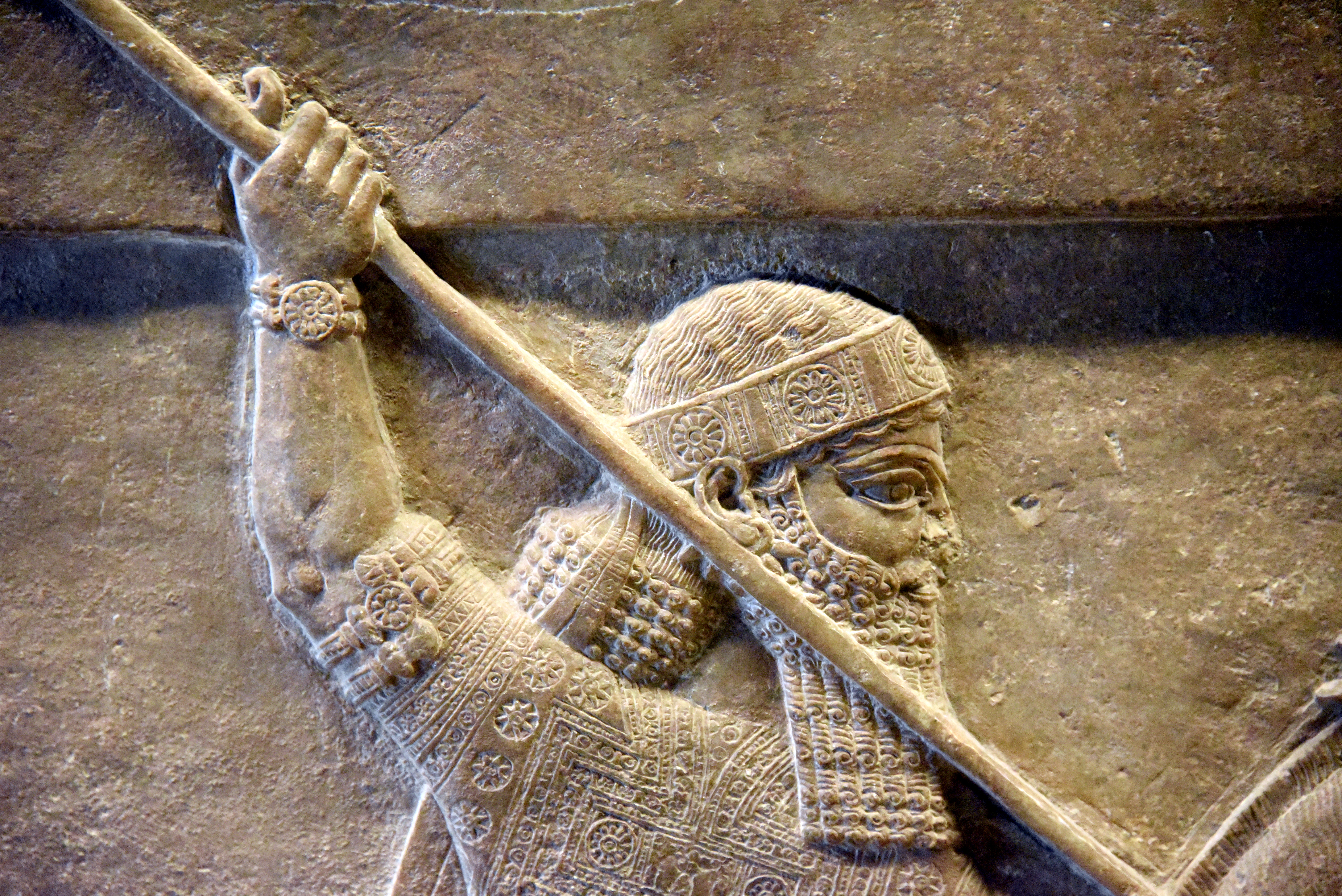
Relief sculpture sits between 2D and 3D — a flat background with forms projecting from it, like a coin or a carved wall panel. Ancient Egyptians, Assyrians, and Greeks told stories this way on walls and monuments for thousands of years. Your 6×6" tile will feature an animal of your choice built up in low relief from an air-dry clay slab, then painted when fully dry.
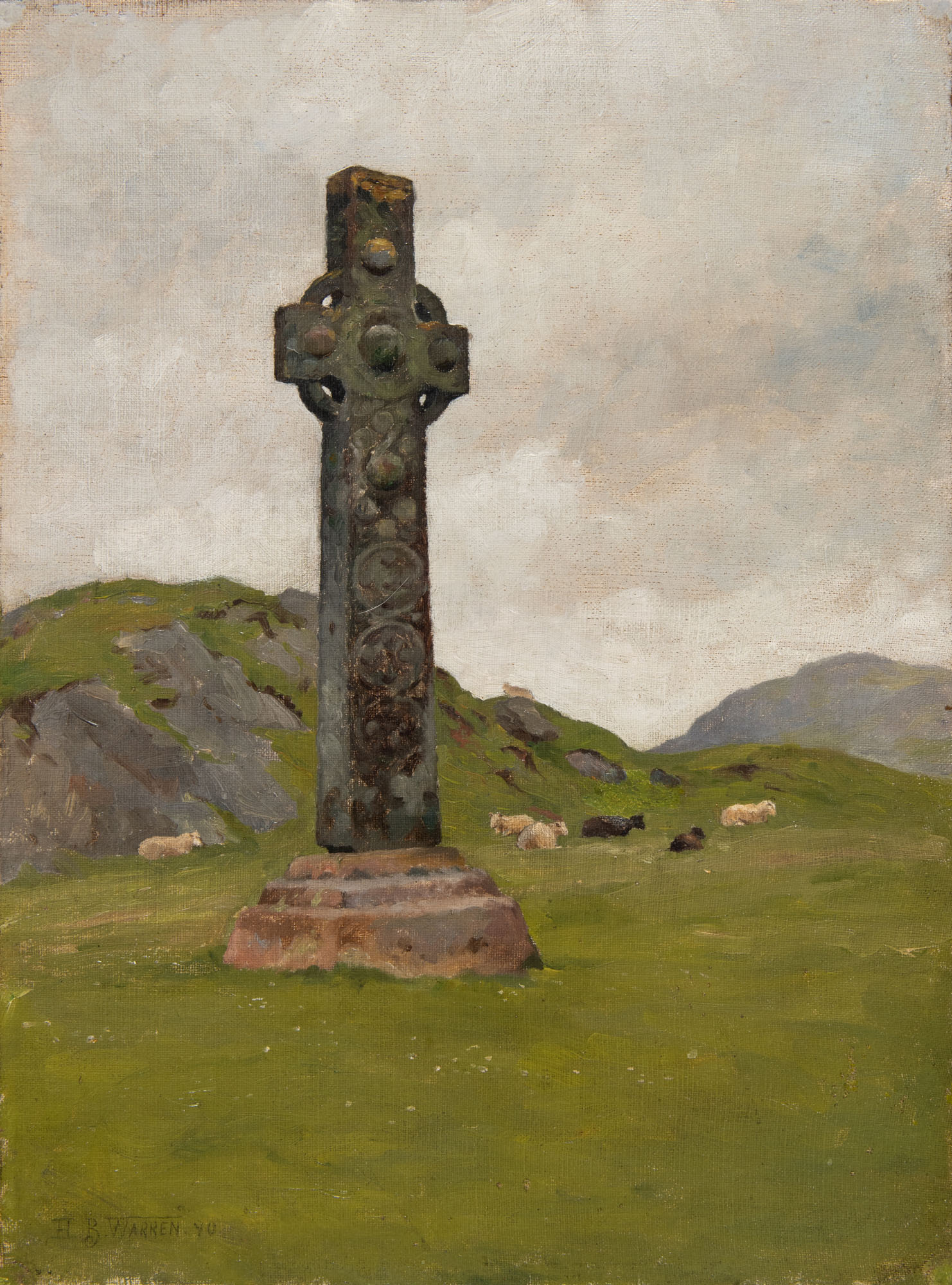
Christian art has always used symbols to carry theological meaning: the cross, the fish (ichthys), wheat and grapes (body and blood), the vine and branches (John 15), the shepherd's crook, the lamb. Design and sculpt a decorative cross or other Christian symbol incorporating at least one nature motif with intentional theological meaning. This piece is designed to be hung on a wall.
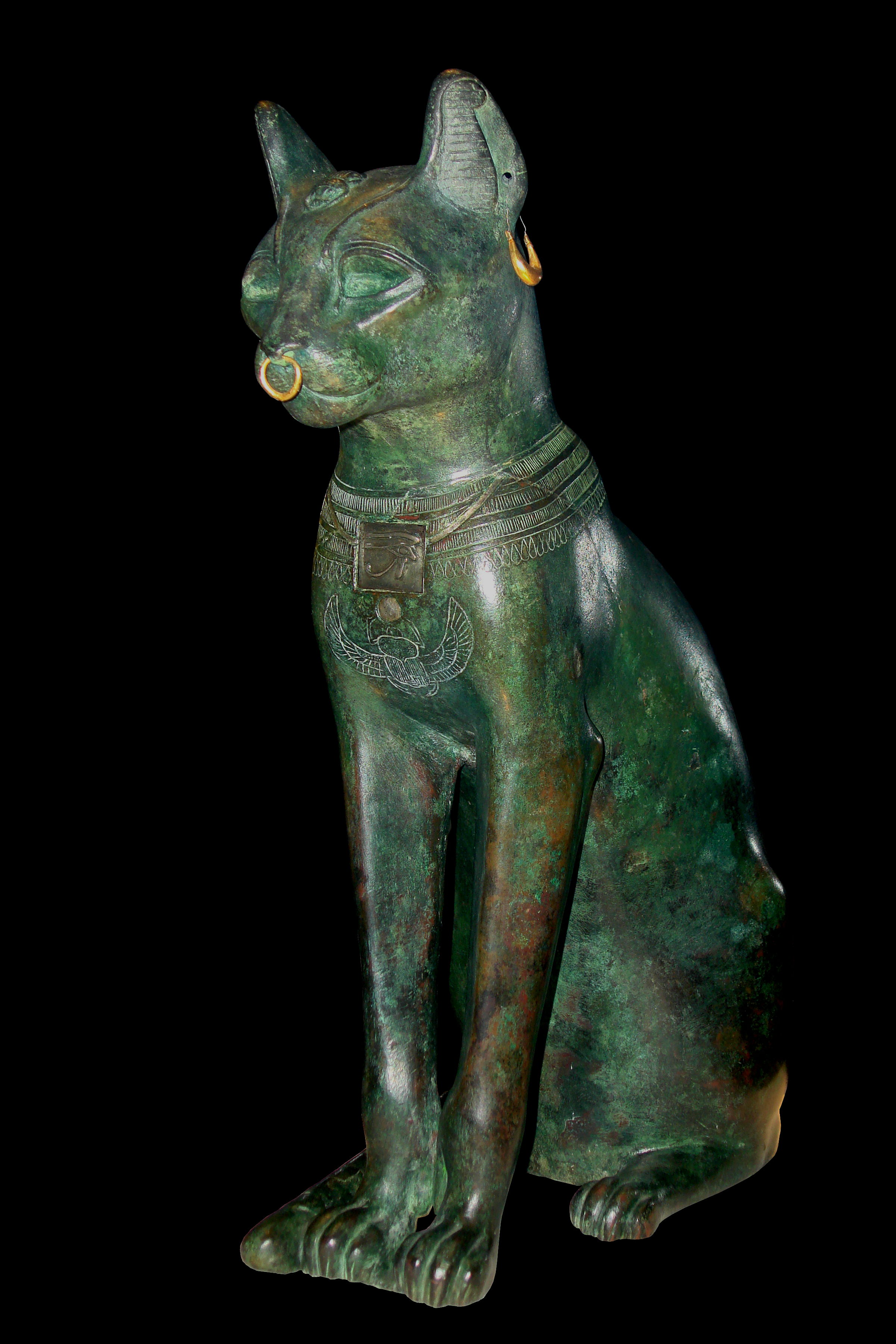
Your most ambitious sculpture: a fully three-dimensional animal figure, interesting from every angle, built over an aluminum foil armature for internal support. Choose an animal with a distinctive pose or silhouette — a bird with spread wings, a rearing horse, a curled cat, a leaping fox. Plan it carefully with sketches from multiple viewpoints before touching clay.